
By Tania Govender, Managing Director at Workforce Remote Staffing
A lot of UK businesses are not standing still because they lack ambition. They are standing still because scaling has become expensive, slow, and difficult to reverse.
Hiring locally carries real weight. Permanent headcount brings long-term commitments at a time when demand is not always predictable. When costs are high and visibility is limited, waiting can feel like the responsible option.
So teams stretch. Leaders absorb more. Hiring decisions get pushed out until things feel clearer.
On its own, that is not a bad decision. In many cases, it is a very rational response to the environment businesses are operating in.
The problem is what happens quietly while everyone is waiting.
The work does not disappear. It simply shifts. Tasks that do not really require senior judgement start landing with senior people anyway. Reporting, admin, coordination, follow-ups, operational tasks that keep the wheels turning but do not move the business forward.
Over time, some of the most experienced and highest-paid people in the organisation begin spending a significant part of their week on low-value work. Not because it makes sense, but because there is no alternative capacity.
At first, this feels manageable. High performers are good at coping. They step in, fill gaps, and keep delivery on track. From the outside, everything still looks fine.
But gradually, capacity tightens.
Strategic thinking gets squeezed into smaller windows. Decisions take longer than they should. Reviews are rushed. Delivery becomes more fragile, even though nothing appears obviously broken. Small inefficiencies stack up quietly until they start showing up in missed opportunities, slower response times, or inconsistent client experience.
By the time the business feels ready to scale again, it is often doing so from a weaker position. Leaders are stretched. Margins are under pressure. The original cost concern has not disappeared. It has compounded.
This is where standing still becomes misleading. Doing nothing is not neutral. It carries a cost, even if that cost does not show up clearly on a spreadsheet.
Many organisations believe they are choosing between two options. Either absorb the cost of local hiring or pause and hold steady. In reality, there is a third option that often gets overlooked.
Instead of asking who to hire, some businesses step back and ask where work is being done expensively simply because that is how it has always been done. They separate work that genuinely needs senior judgement from work that is process-driven, repeatable, and supportive. They look for ways to introduce capacity without locking themselves into high-cost, inflexible structures.
This is where well-designed offshore staffing becomes a strategic decision rather than a cost-cutting one.
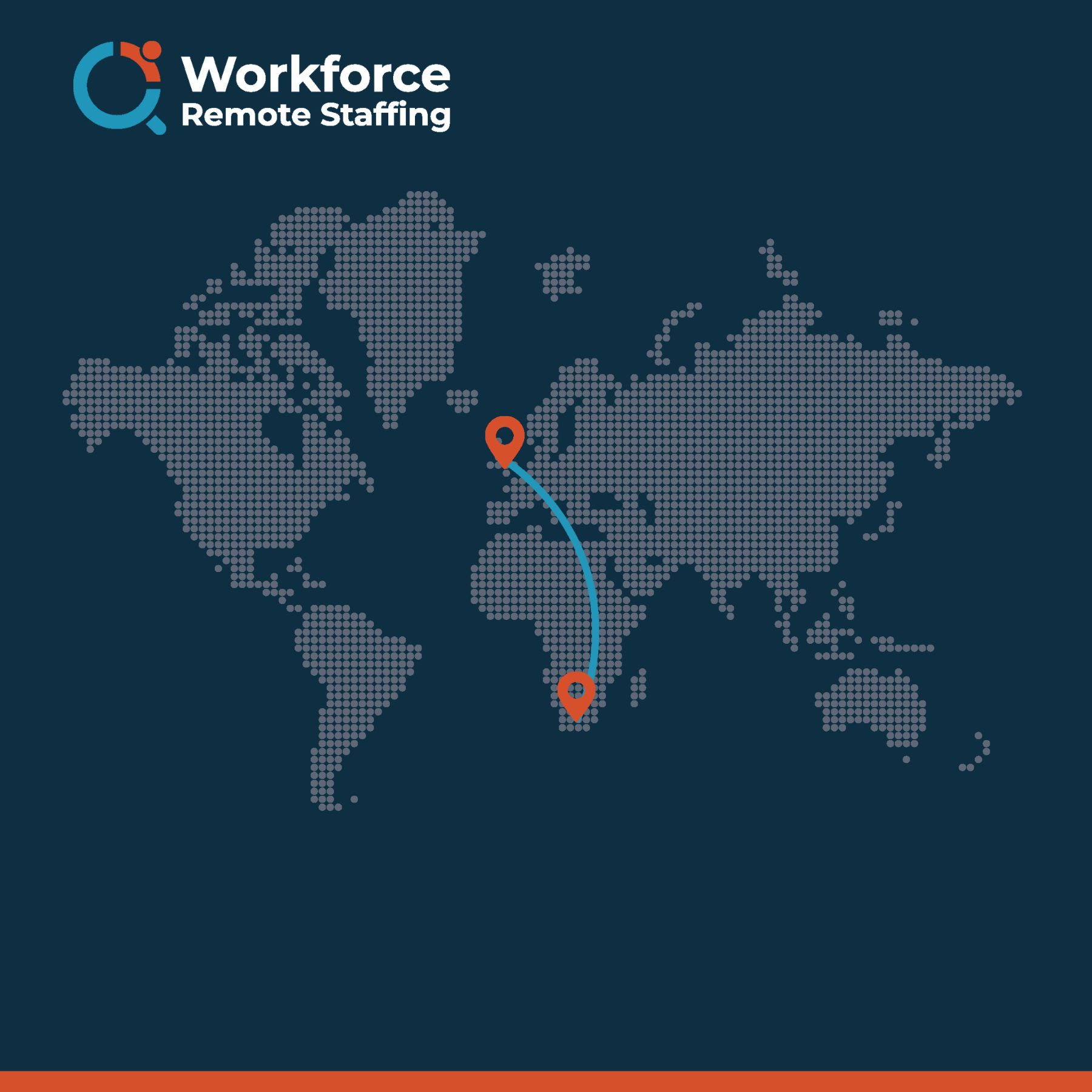
At Workforce Remote Staffing, we work with UK businesses that are not looking to replace teams or rush growth. They are looking to protect senior capacity, stabilise delivery, and create room to move without taking on unnecessary risk. By building dedicated remote teams in South Africa, aligned to UK time zones and fully managed through an employer-of-record model, businesses can add capability where it makes sense, without adding complexity.
South Africa offers a deep pool of experienced, English-speaking professionals who are used to supporting UK and international teams. When those professionals are employed, managed, and supported properly, they take ownership of the work that currently sits in the gaps. The admin, reporting, coordination, and support tasks that quietly consume senior time.
The impact is not dramatic overnight change. It is something more valuable. Senior leaders regain focus. Delivery becomes more consistent. Growth decisions are made from a position of control rather than pressure.
High costs do not remove the need to scale. They simply change how scaling should happen.
Standing still often feels safe because it avoids immediate spend. Over time, it is usually the most expensive option of all, not in salaries, but in lost focus, increased delivery risk, and slowed momentum.
The businesses that recognise this early tend to move forward with more confidence later. Not because they rushed, but because they chose to redesign capacity instead of waiting for the perfect moment that never quite arrives.